
Turning indirect retail staff into brand advocates
 Beko's biggest sales moment happens on someone else's shop floor. The staff making the recommendation don't work for Beko - they're employed by independent retailers and expected to sell several competing brands at once. In that fast-paced, split-attention environment, they need to recall Beko's specific advantages instantly, with a customer standing in front of them.
No control, no guaranteed advocacy
Beko can't dictate how an indirect sales team spends its time, or which brand it favours. Without genuine product knowledge or brand connection, staff default to what's easiest to talk about:
A competitor gets recommended simply because it's more familiar
Beko's presence on the shop floor thins out
Sales are lost at the exact moment a customer is ready to buy

The readiness gap
Sending product manuals to retail staff changed nothing - they had access to the specifications and no reason to engage with them. The real barrier wasn't information; it was attention and motivation, especially during short breaks already dominated by social media staff:
Knew Beko existed, but not what set it apart
Had no engaging reason to spend downtime learning the product range
Lacked the confidence to actively push Beko's advantages over a rival's
Passive content had reached its ceiling. It was never going to build advocacy on its own. Staff chose to come back to the experience in their own break time - competing directly with the feed they'd otherwise be scrolling.
Competing with a phone for attention
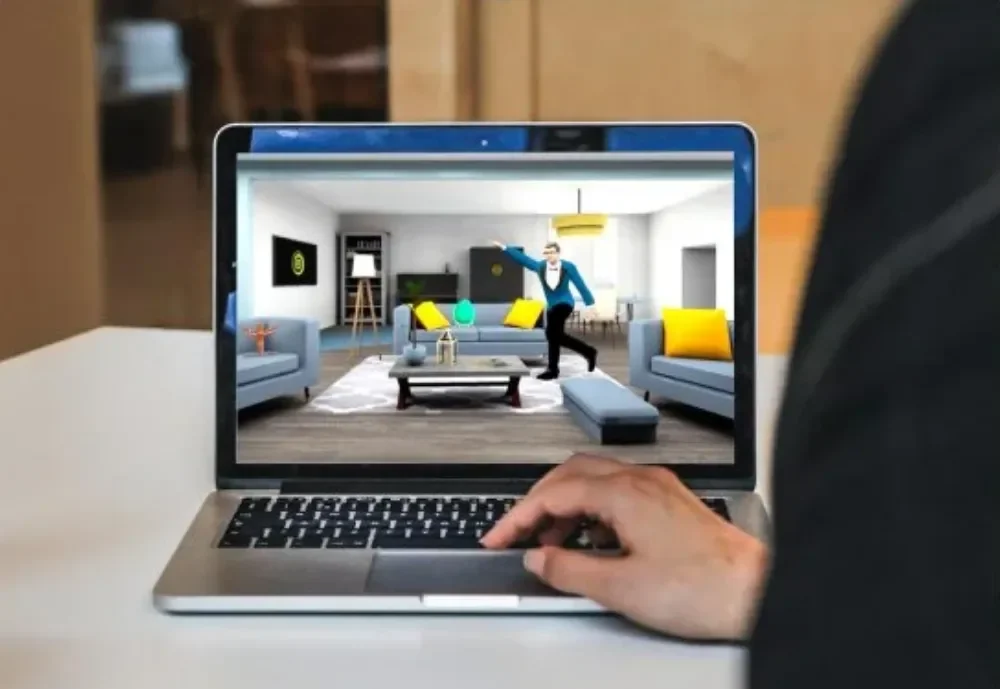
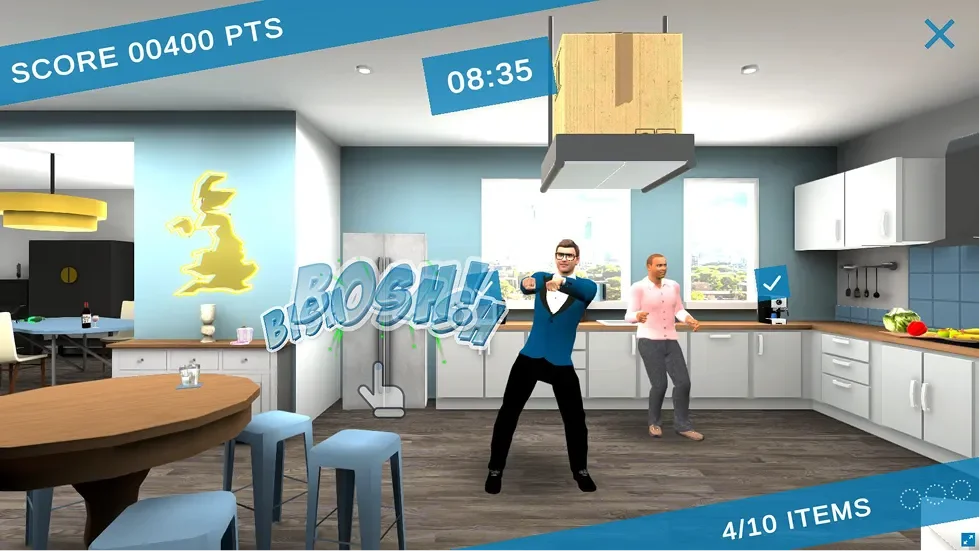
Totem designed Agent Beko to win the fight for attention it actually faced: a retail worker's five minutes of break time, phone in hand.
Built as a fast, pick-up-and-play experience, it centred on three things:

Competes with social media
Highly interactive mechanics designed to compete directly with social media, not a training module.

Brand culture, not features
Active exploration of Beko's brand culture and USPs, rather than a features list.

Reflex, not recall
Rapid, contextual choices with visible outcomes, so product knowledge became a reflex, not a fact.
The performance shift
Staff who'd explored the product range this way stopped being passive order-takers. Beko's USPs became practical selling tools, not spec-sheet trivia, and that shift showed up in real conversations:
Genuine brand affinity instead of surface familiarity
Confident, specific recommendations instead of default guesswork
A stronger, more consistent Beko presence across an indirect sales force
Results
Voluntary engagement, on their own time
Agent Beko did what manuals and briefings couldn't: it got a disconnected, indirect workforce to choose to engage, repeatedly, during their own break time. That voluntary, repeat engagement translated directly into stronger product awareness and a more confident promotional presence on the shop floor - the moment that actually decides a sale. For a workforce Beko doesn't employ and can't mandate training for, that's the real result: advocacy built through genuine interest, not compliance. It set a foundation for continuous product confidence that a one-off manual never could.