
Reality is a powerful teacher. Immersion makes it safe.
Allow your people to step inside a realistic environment where they can practise critical skills, make decisions under pressure and experience consequences without exposing themselves, their colleagues or your organisation to real-world risk.
Because mistakes are costly, but practice shouldn't be.
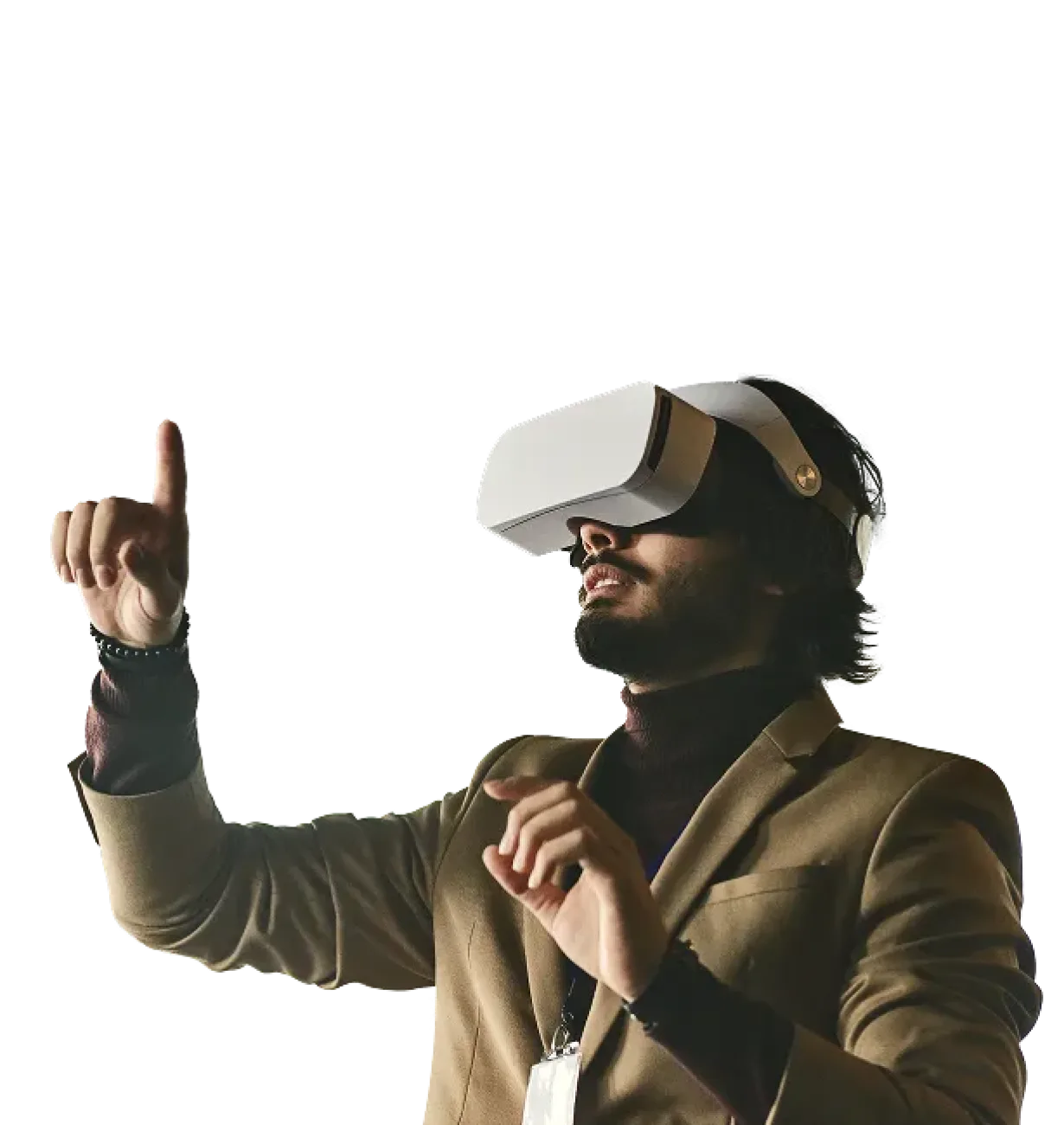
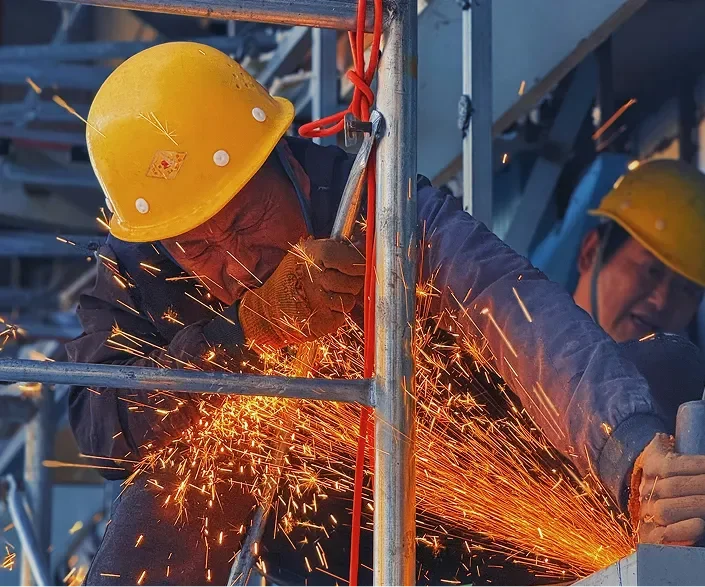
Some situations are too important to leave to chance.
From safety incidents to a customer emergency, a critical maintenance procedure to a high-pressure operational decision, these are the moments when performance matters most. Yet traditional, passive training simply provides knowledge on these scenarios – without giving your people the opportunity to experience and practise what they should do when pressure, uncertainty and real-world consequences come into play.
That's where immersive learning creates value.
By placing learners inside realistic environments, VR creates opportunities to experience situations before they happen in reality, so that when the time comes they know exactly how to perform under pressure.
How does immersive training improve performance?
Allow people to make mistakes, learn and improve without exposing themselves or others to real-world risk.
Prepare learners for situations they may rarely encounter, but can't afford to get wrong.
Allow teams to rehearse decisions and actions before they face them for real.
Create opportunities for repeated practice in realistic environments.
Help people apply procedures correctly when it matters most.
Allow learners to experience consequences safely before they make mistakes in reality.
When reality matters, immersion builds readiness.
Immersive learning is particularly effective For:
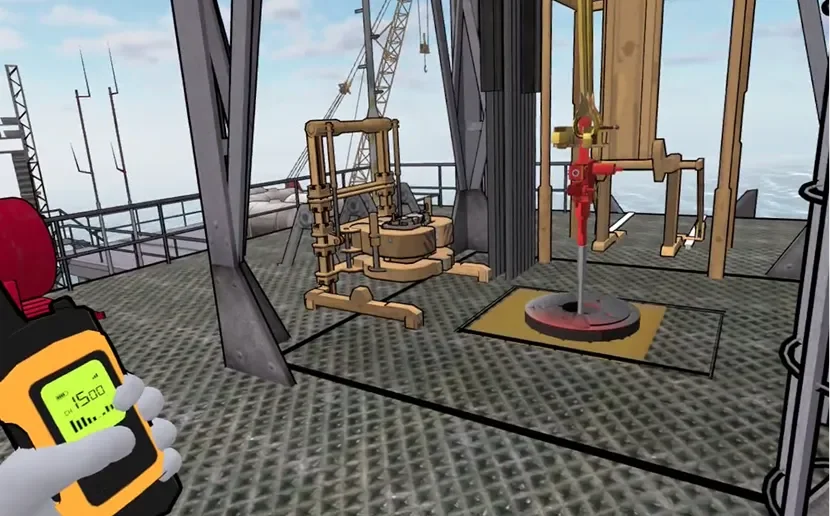
Immersive learning that unlocks behaviour: That's the Totem way.
We don't use immersive technology because it's impressive. We use them because some behaviours can only be developed through experience. Every immersive learning solution we create is designed around one question: What does someone need to experience before they can perform confidently in reality?
To answer that question, we combine realistic environments, meaningful decisions and behavioural science to create learning that people remember, apply and act upon. Because immersion alone doesn't create capability. Practice does.
-
92%
Reduction in rapid acceleration incidents
-
84%
Reduction in distracted driving events.
-
70%
Reduction in hard braking incidents.
Immersive learning reduced distracted driving by 84%
When organisations need to improve driver behaviour, awareness alone rarely changes outcomes. We developed an immersive driver safety programme for ADT combining VR and digital learning, allowing drivers to experience hazards, test decision-making and practise safer behaviours before getting behind the wheel.
The results were significant!
By experiencing risk before encountering it on the road, drivers built safer habits before consequences became real.

When performance matters, build experience first.
Give your people the opportunity to build confidence, develop experience and practise safely before the stakes are real.
Let's explore how immersive learning could help your organisation prepare people for reality.